
Project Name : Enhancing The Institutional Capacities of Youth Training Centers in Building Sustainable Peace
Donor : Norwegian People,s Aid NPA
Period of Performance : December 19, 2024 – February 28, 2025.
Location : Blue Nile – Roseires and Damazine
Overall Goal
To strengthen the institutional capacity of youth training centers in the Blue Nile region to operate effectively and contribute to community stability and peacebuilding.
Objective 1
To conduct an initial assessment of the organizational and governance status of youth training centers in order to identify key capacity gaps and development needs.
Objective 2:
To enhance the capacity of youth training center management in governance and strategic planning to improve institutional performance and sustainability
Activity Date(s) and Location
Activity One: Preliminary Assessment Sessions for Youth Centers
The activity started on Saturday, October 4, in Al-Roseiris locality and concluded on October 7 in Al-Damazin locality.
Activity Two: Governance Workshop
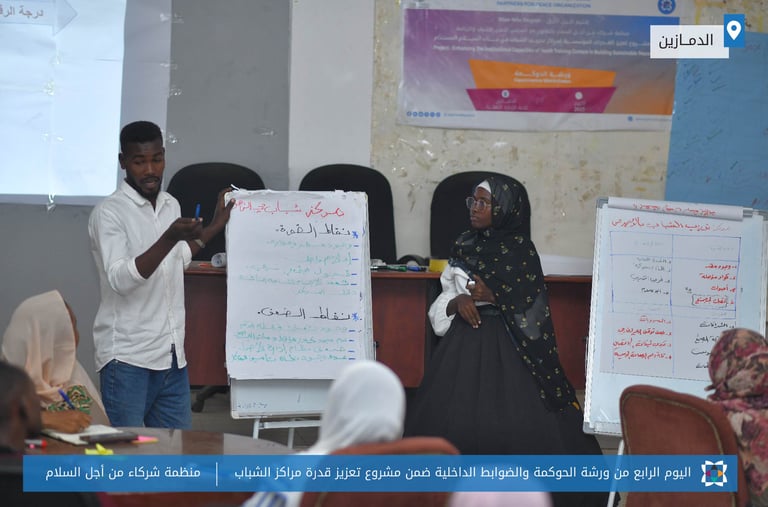
The workshop was held from October 12 to October 15 in Al-Damazin, at the Native Administration Hall.
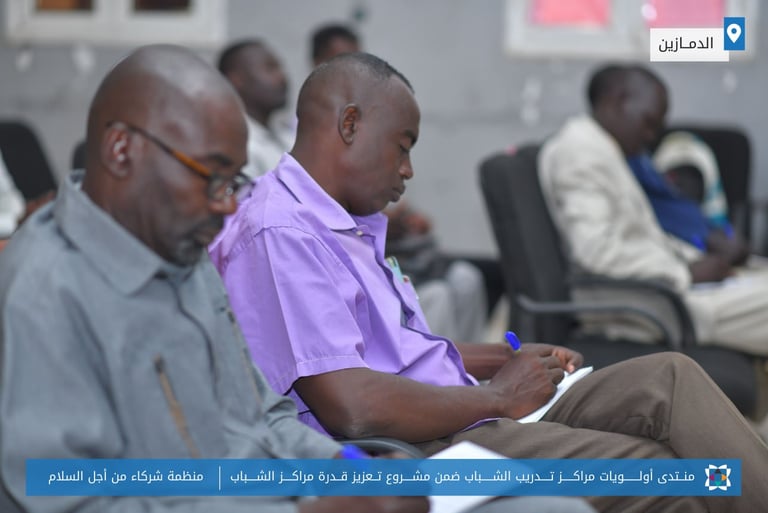
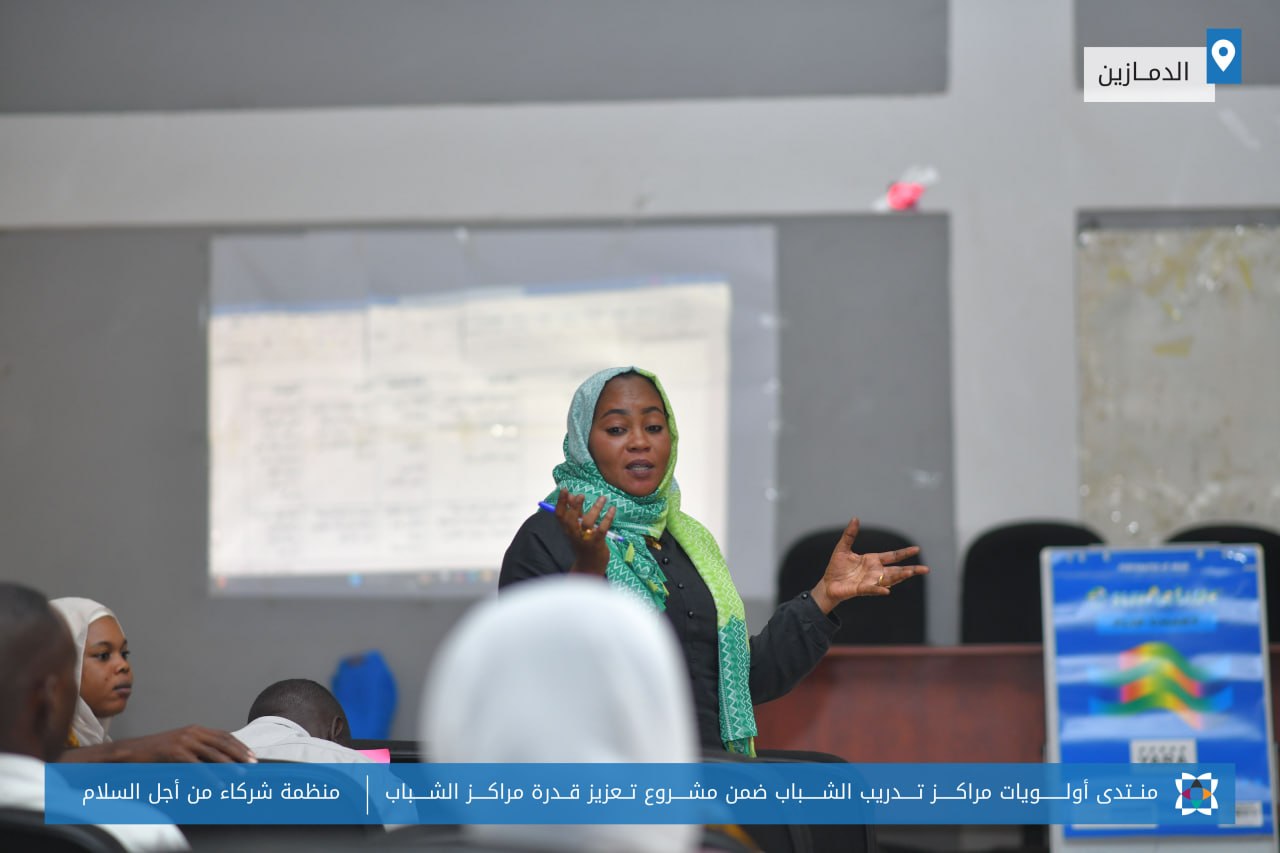
Activity Three: Youth Training Centers Priorities Forum
The forum was held on Monday, October 20, at the Native Administration Hall
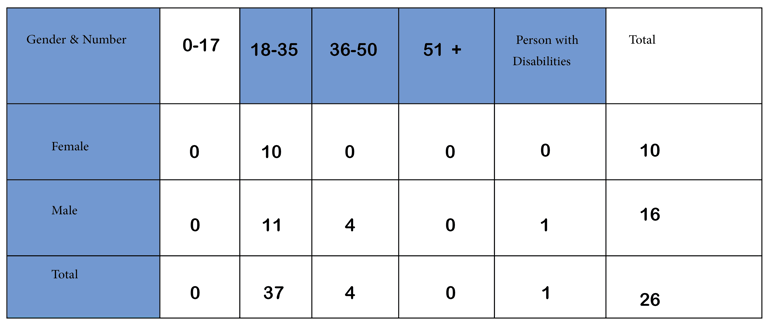
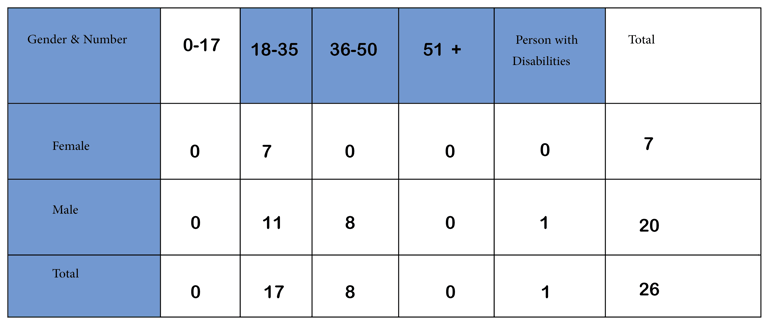
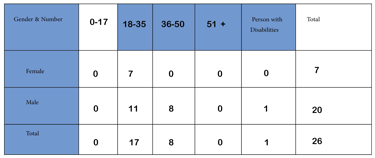
Participants (according to the Registration Sheet)
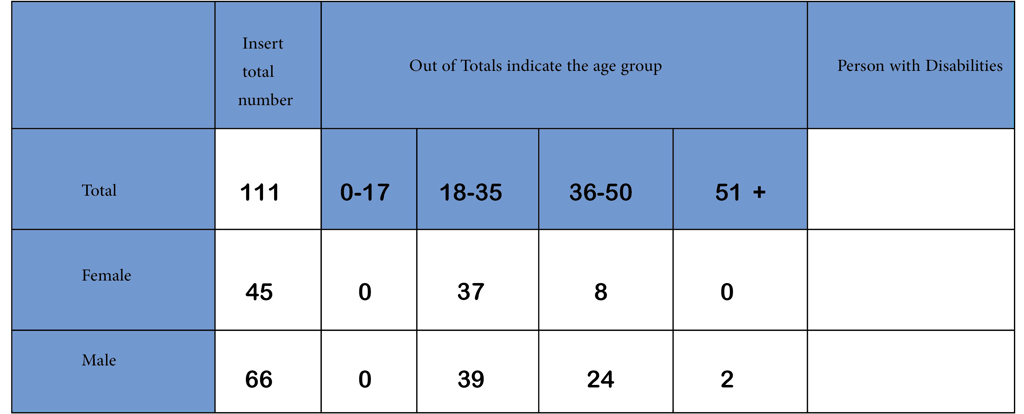
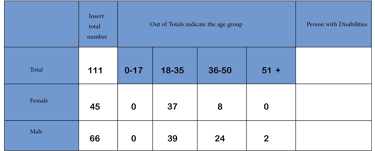
1.1 DESCRIPTION OF ACTIVITIES
Describe each activity implemented, including what was done, when, who benefitted, how many benefitted, and how they benefited.
Activity One: Preliminary Assessment Sessions for Youth Centers
The primary aim of the assessment was to evaluate the administrative, technical, and infrastructural conditions of youth centers. This evaluation was crucial for identifying the specific needs and potential opportunities that could guide future support and development efforts. By thoroughly understanding the current status of these centers, stakeholders were able to make informed decisions to enhance their operations and better serve the youth in the community.
The assessment focused on six youth centers located in Al-Roseries and Al-Damazine localities. These centers were selected because they played a pivotal role in engaging young people and providing essential services and programs. To gather relevant information, an assessment questionnaire was administered, targeting key participants from each center. The selection criteria for participants included various stakeholders who were integral to the functioning of the centers. This included members of the General Assembly, who were responsible for the governance and strategic direction of the centers; staff from the Executive Office, who managed day-to-day operations; volunteers who contributed their time and skills; and youth activists who were actively involved in center activities and initiatives.
The sessions were meticulously scheduled to facilitate maximum participation and engagement. Each of the six sessions aimed to include between 10 and 20 participants, ensuring a diverse representation of perspectives and experiences. The schedule for the assessment sessions was as follows:
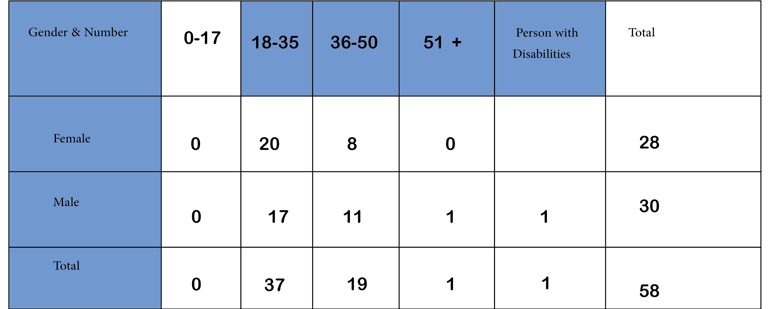
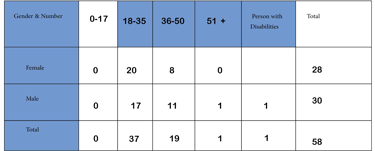
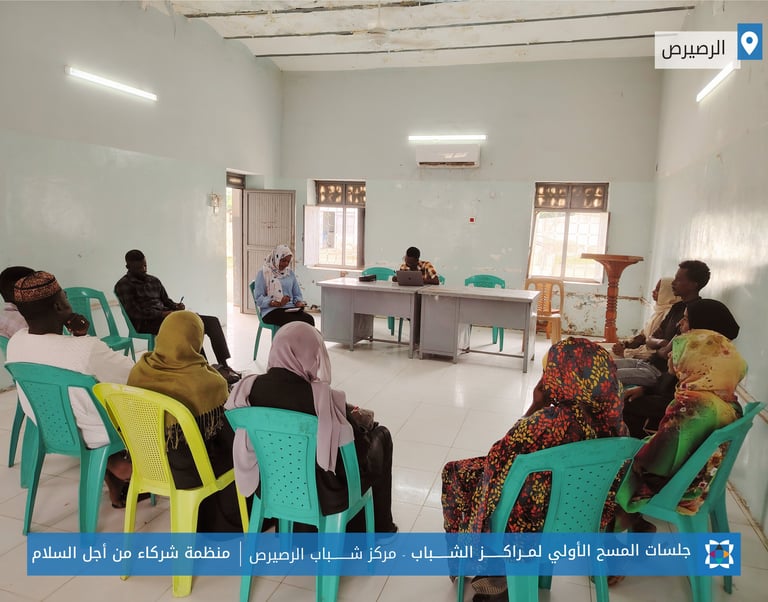
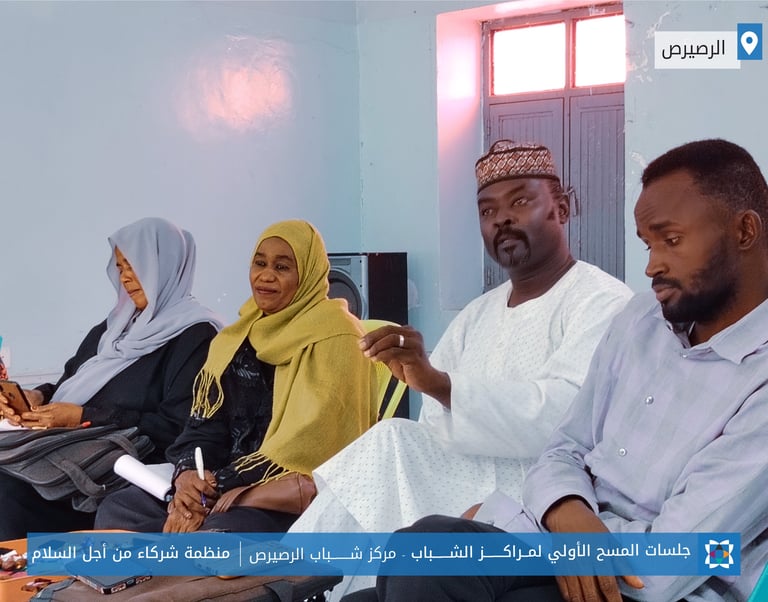
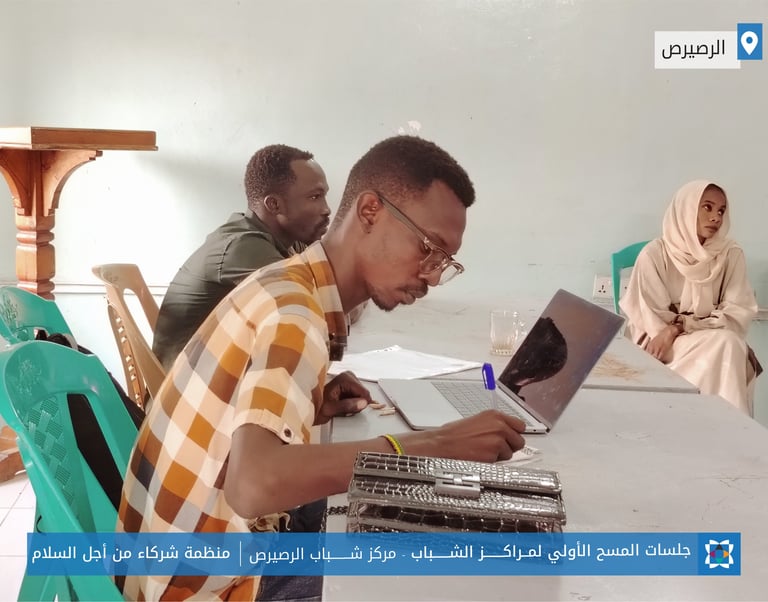
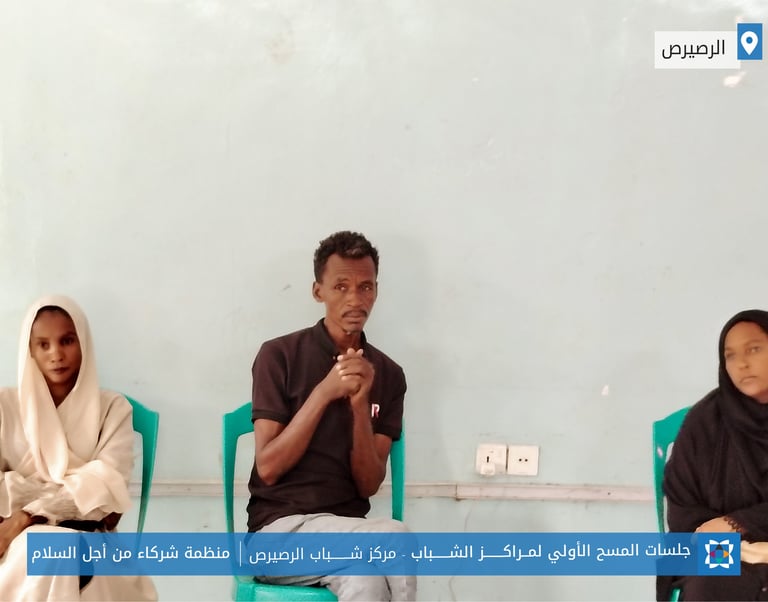
● Al-Roseires Youth Training Center:
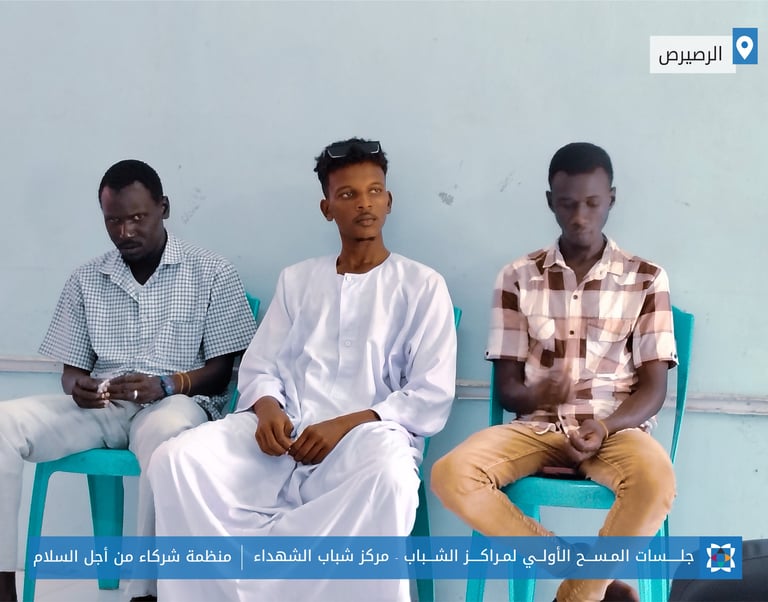
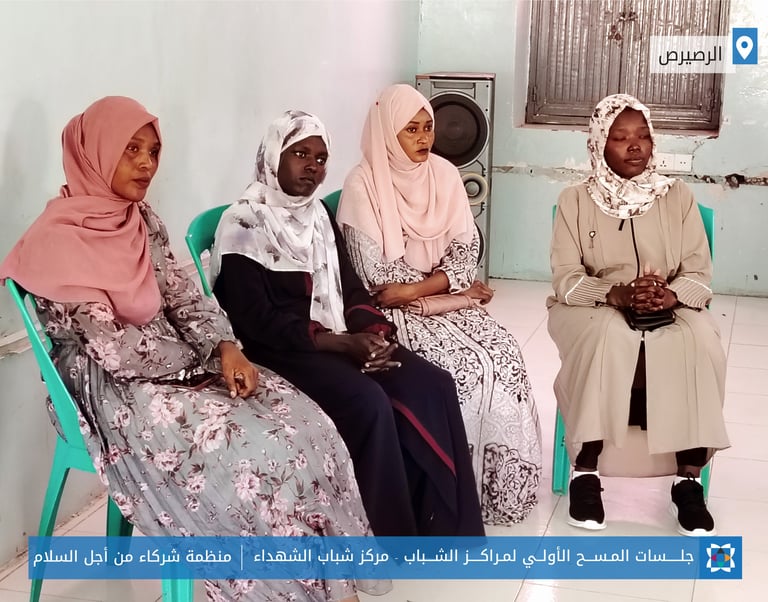
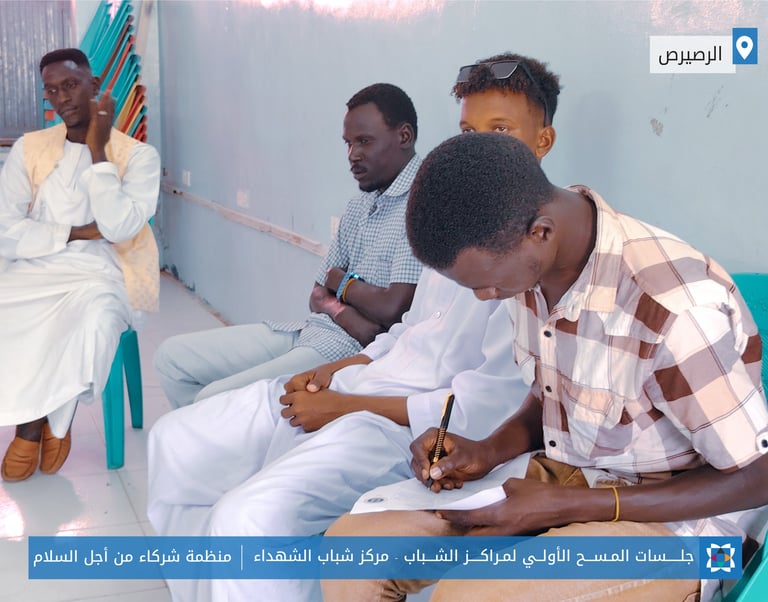
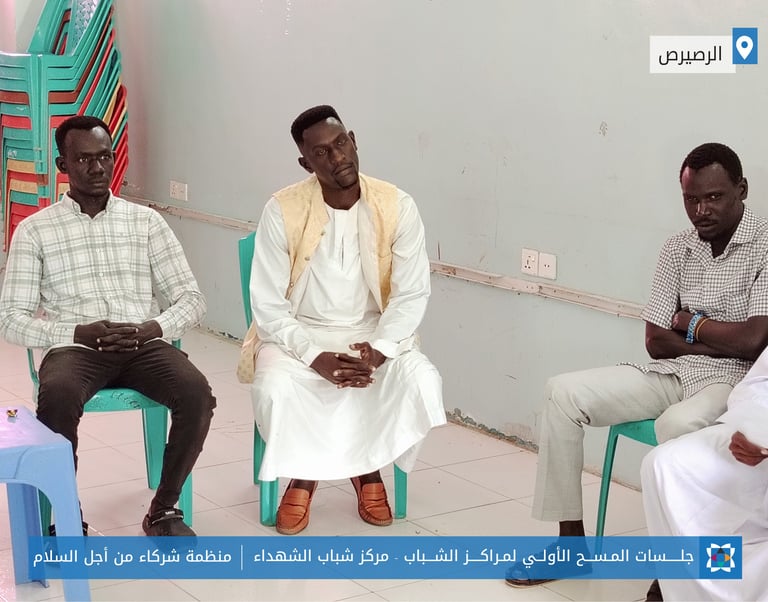
Held on October 4th at the Youth Training Center Hall in Al-Roseiris, with 10 participants.
● Al-Shuhada Youth Center:
Conducted on the same day, October 4th, also at the Youth Training Center Hall in Al-Roseiris, with another 10 participants.
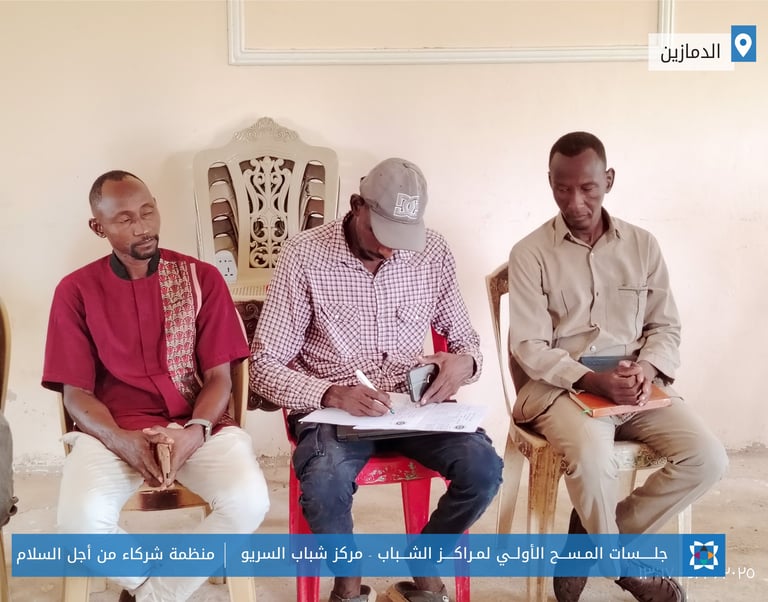
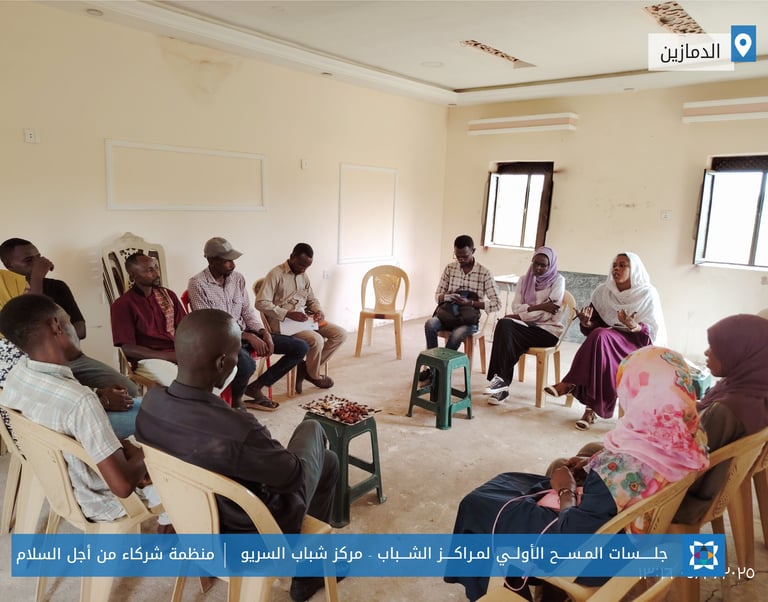
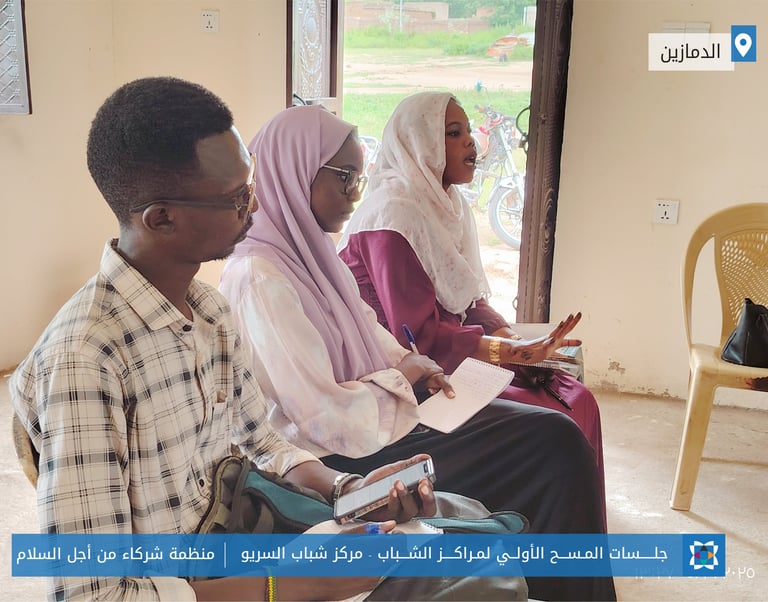
● Al-Saryou Youth Center:
This session took place on October 5th at the Al-Saryou Center Hall in Al-Damazine, engaging 17 participants.
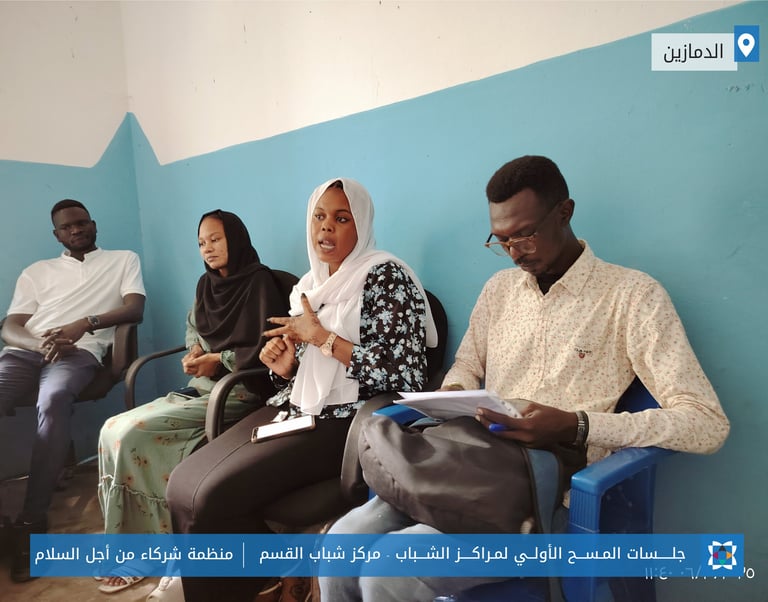
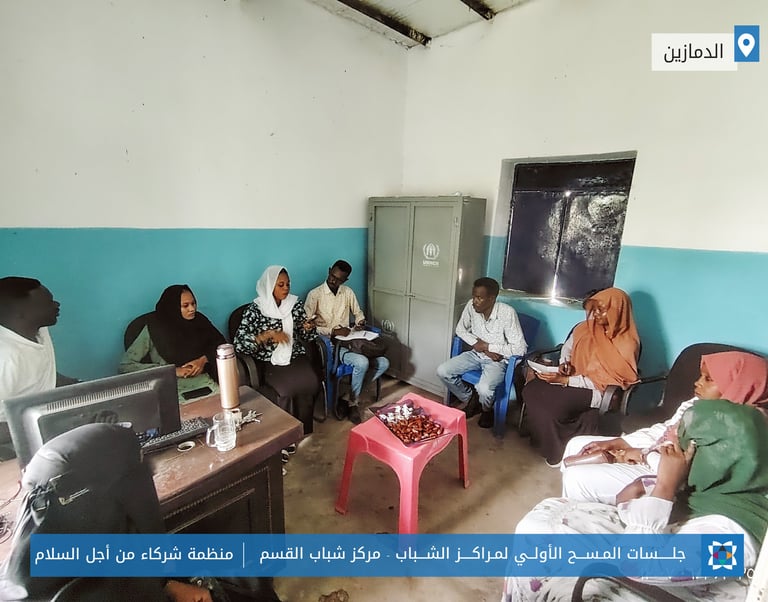
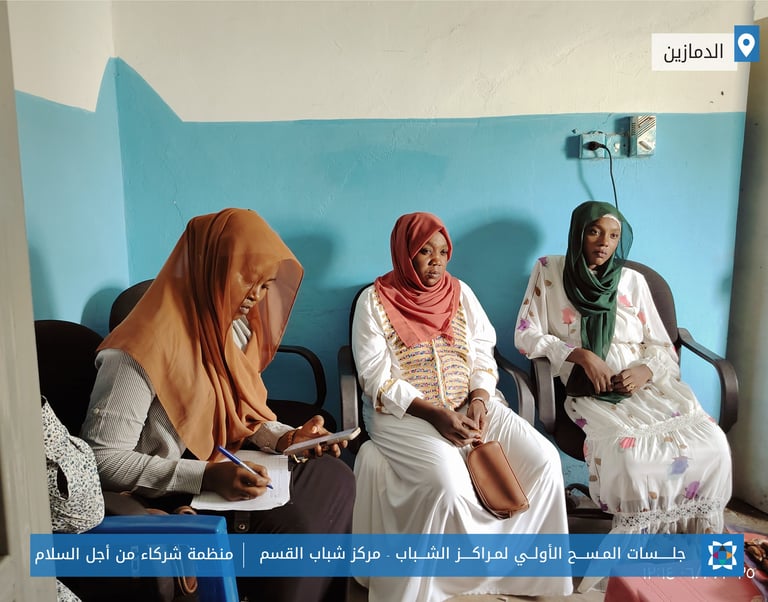
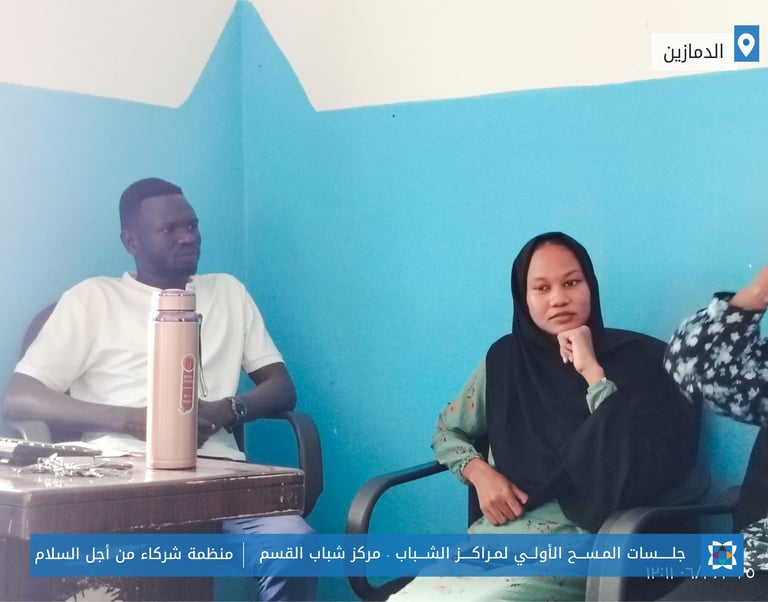
● Al-Qism Youth Center:
Scheduled for October 6th at the Center Hall in Al-Damazine, with 7 participants.
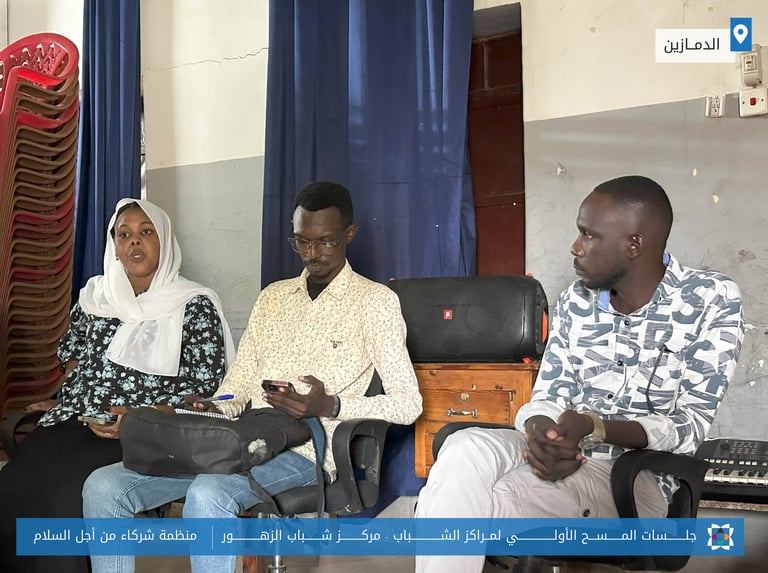
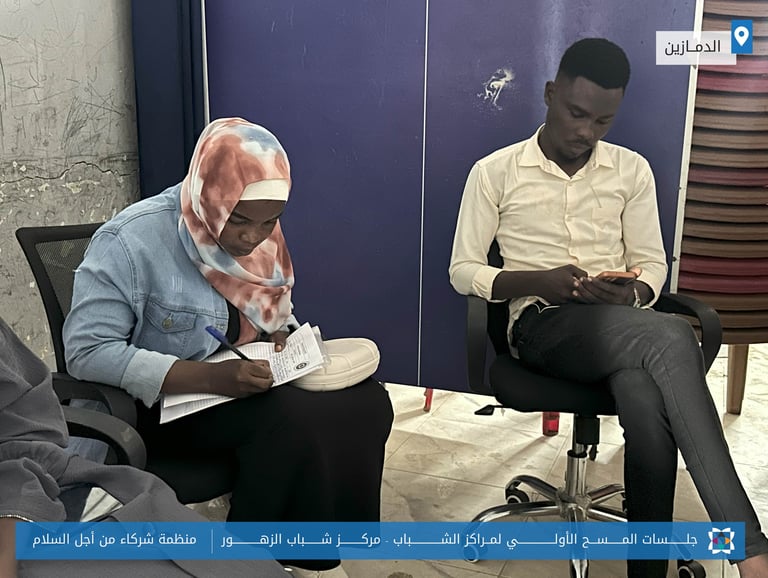
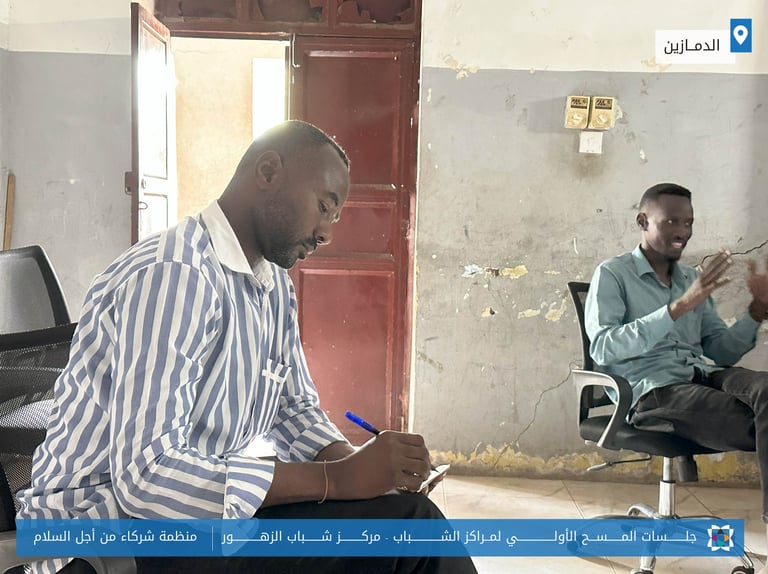
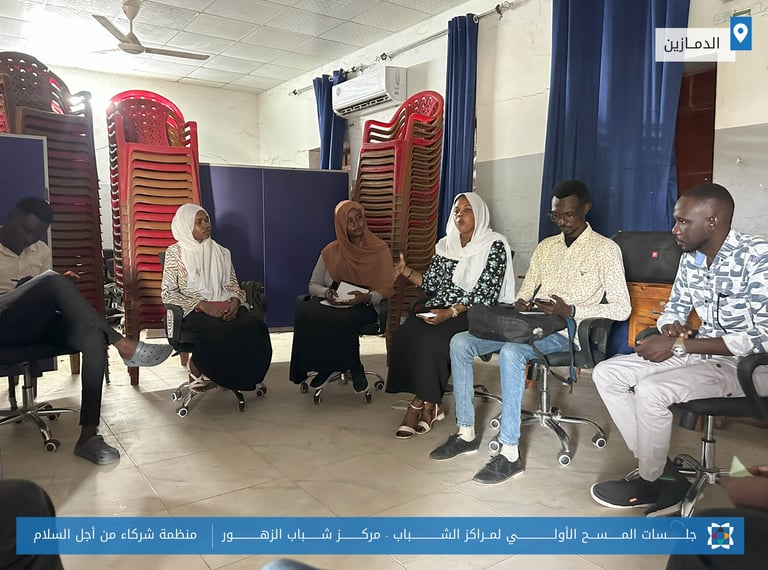
● Al-Zuhur Youth Center:
Also on October 6th, this session attracted 8 participants at the Center Hall in Al-Damazine.
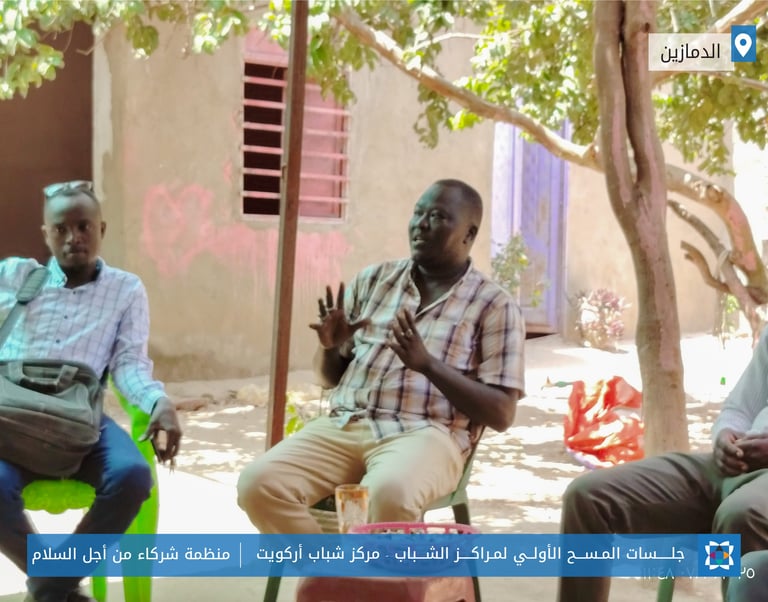
● Arkwit Youth Center:
Finally, this session was held on October 7th at the Center Hall in Al-Damazine, with 8 participants.
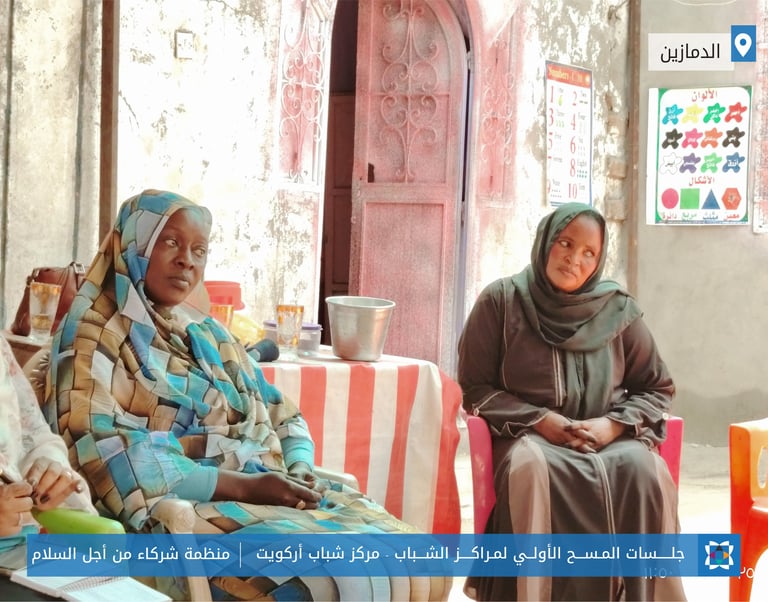
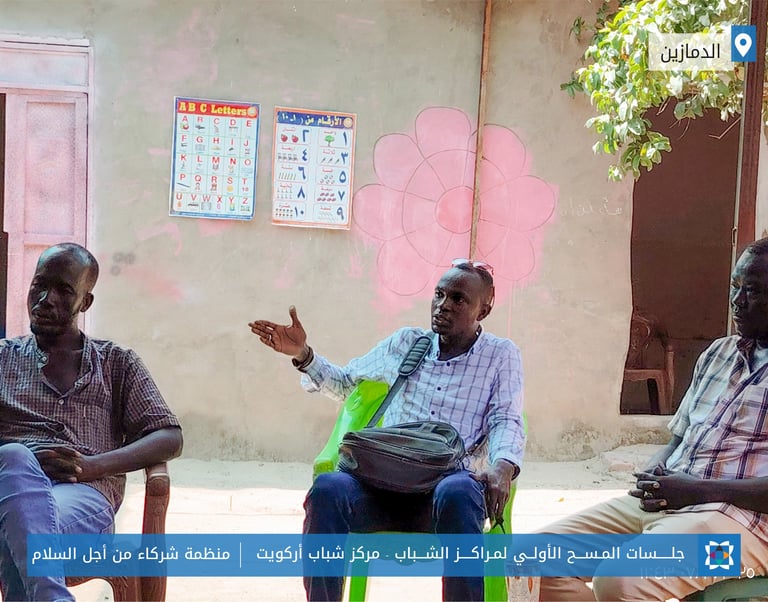
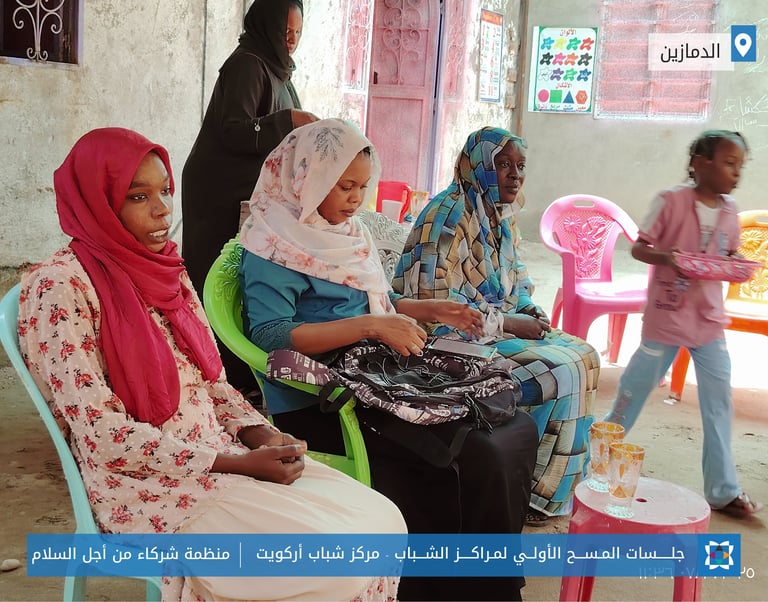
The results from these preliminary assessment sessions culminated in the creation of a comprehensive analytical report detailing the overall status of the youth centers. This report served as a vital document that outlined key findings, challenges faced by the centers, and recommended areas for capacity building and infrastructural enhancement. By identifying gaps in resources, training, and facilities, the report aimed to provide a roadmap for future interventions and support initiatives.
This assessment was not merely an evaluation but a foundational step towards fostering an environment where youth centers could thrive. By addressing the identified needs and leveraging opportunities for improvement, stakeholders were able to significantly enhance the impact of these centers on the youth they served, ultimately contributing to the broader development of the community. The insights gained from this assessment would be instrumental in guiding strategic planning and resource allocation in the future, ensuring that the centers could effectively fulfill their mission and objectives.
Activity Two: Training Workshop on Governance and Strategic Planning
Objectives of the Activity
The training workshop aimed to achieve several key objectives designed to enhance the governance and operational effectiveness of youth centers. Firstly, it sought to empower the administrations of these centers to apply the principles of good governance, thereby establishing robust internal control and financial oversight mechanisms. Additionally, the workshop aimed to facilitate the development of integrated strategic and operational plans that would support the sustainability of the institutions.
More specifically, the objectives were structured across the four days of the workshop:
Day One:
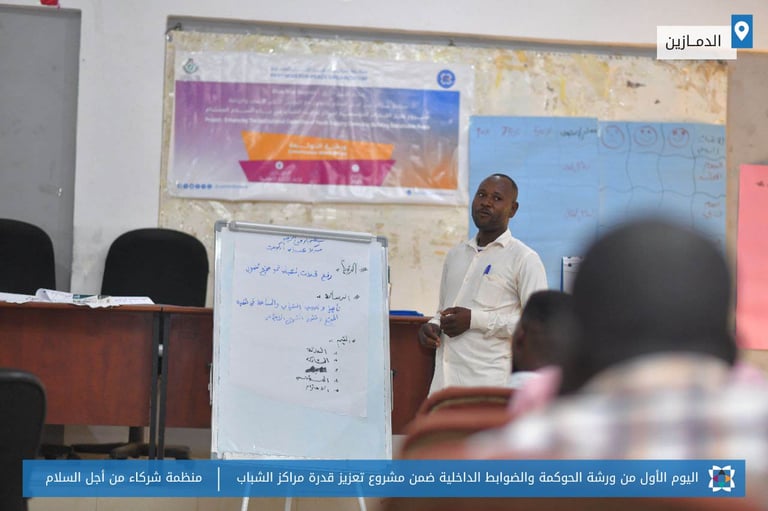
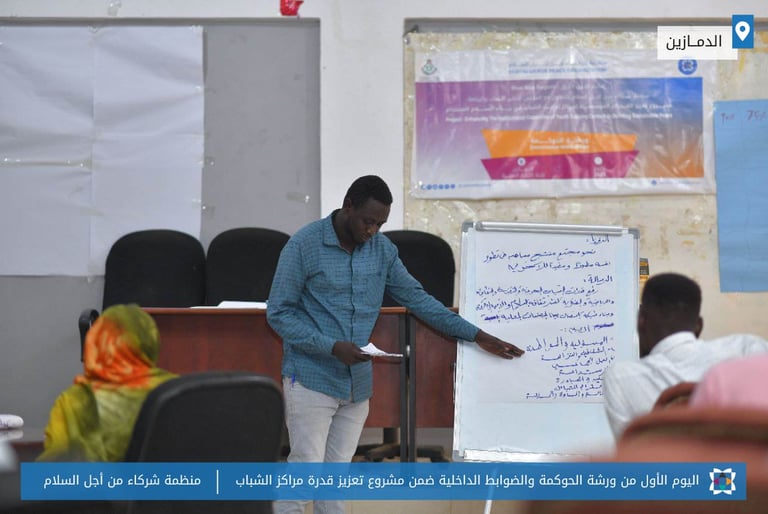
To introduce participants to the concepts of strategic planning, including the formulation of vision, mission, goals, and institutional values, as well as to analyze the internal and external environments of the centers through SWOT analysis to identify strengths, weaknesses, opportunities, and threats.
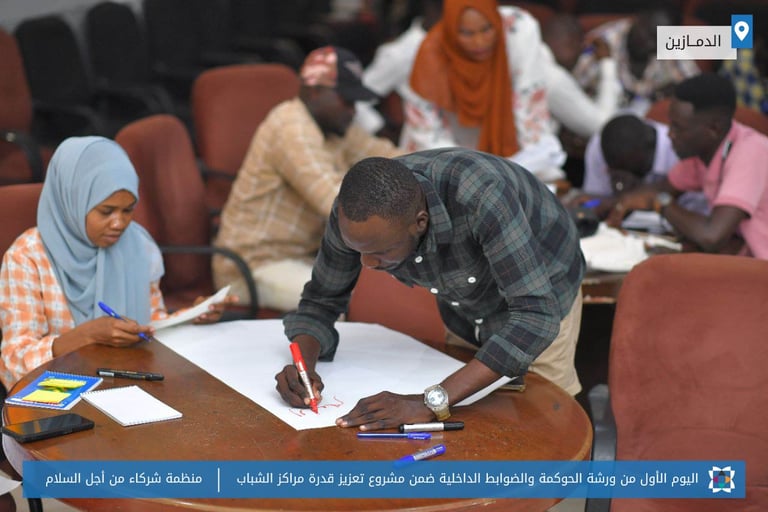
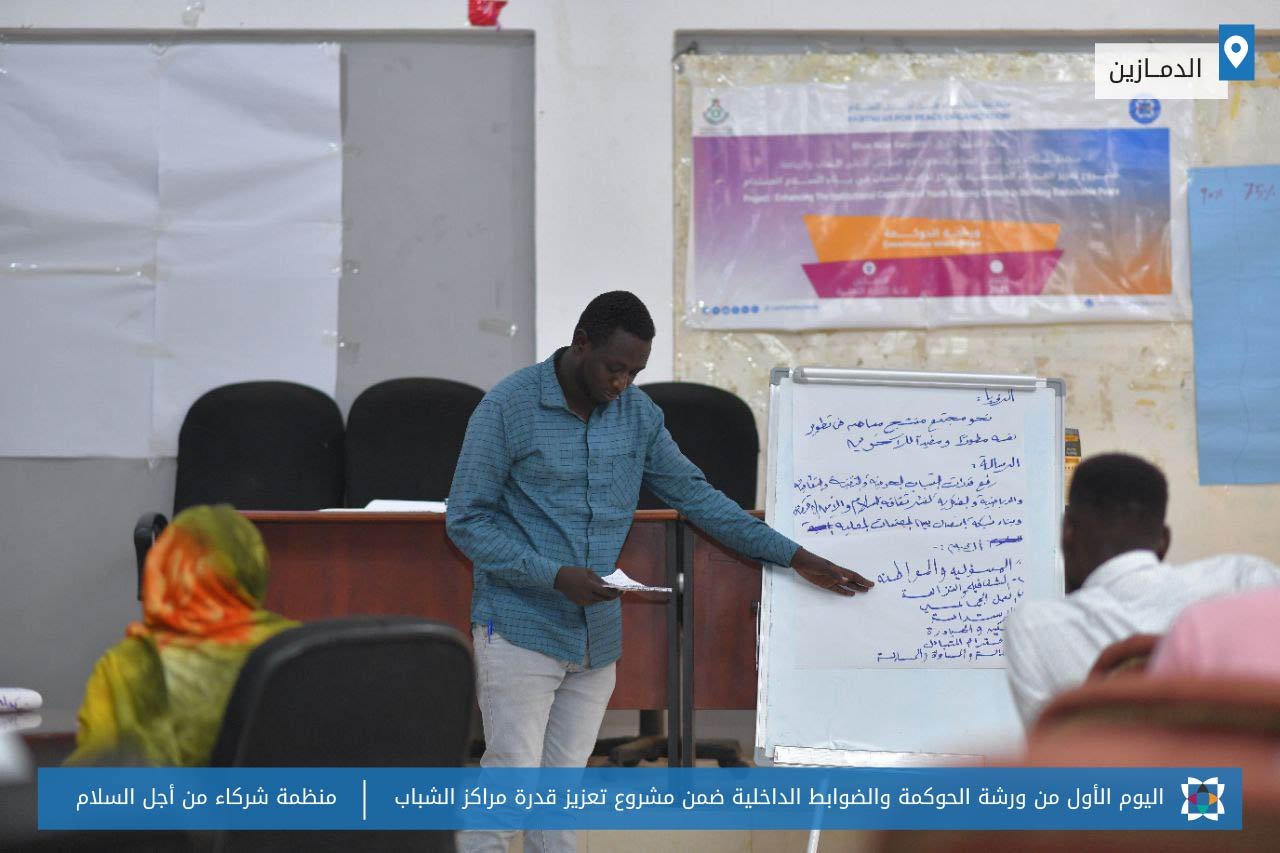
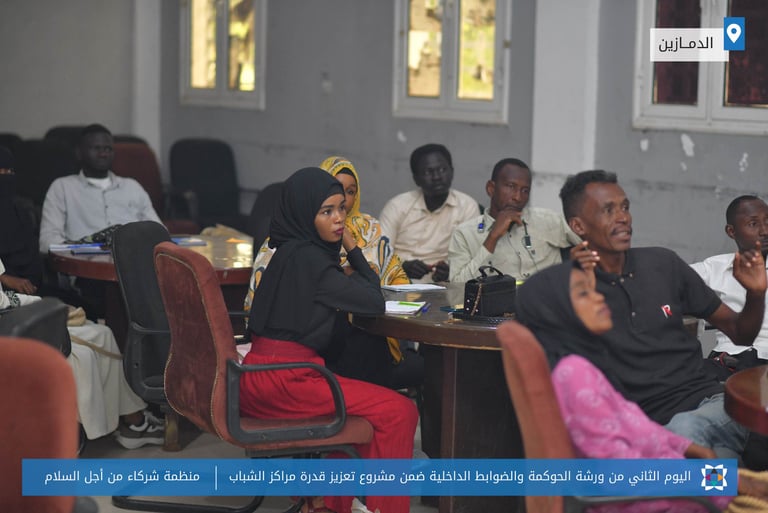
Day Two: To enhance participants’ understanding of governance principles and internal control mechanisms, enabling them to develop policies and internal regulations for youth centers while strengthening their financial and administrative capacities.
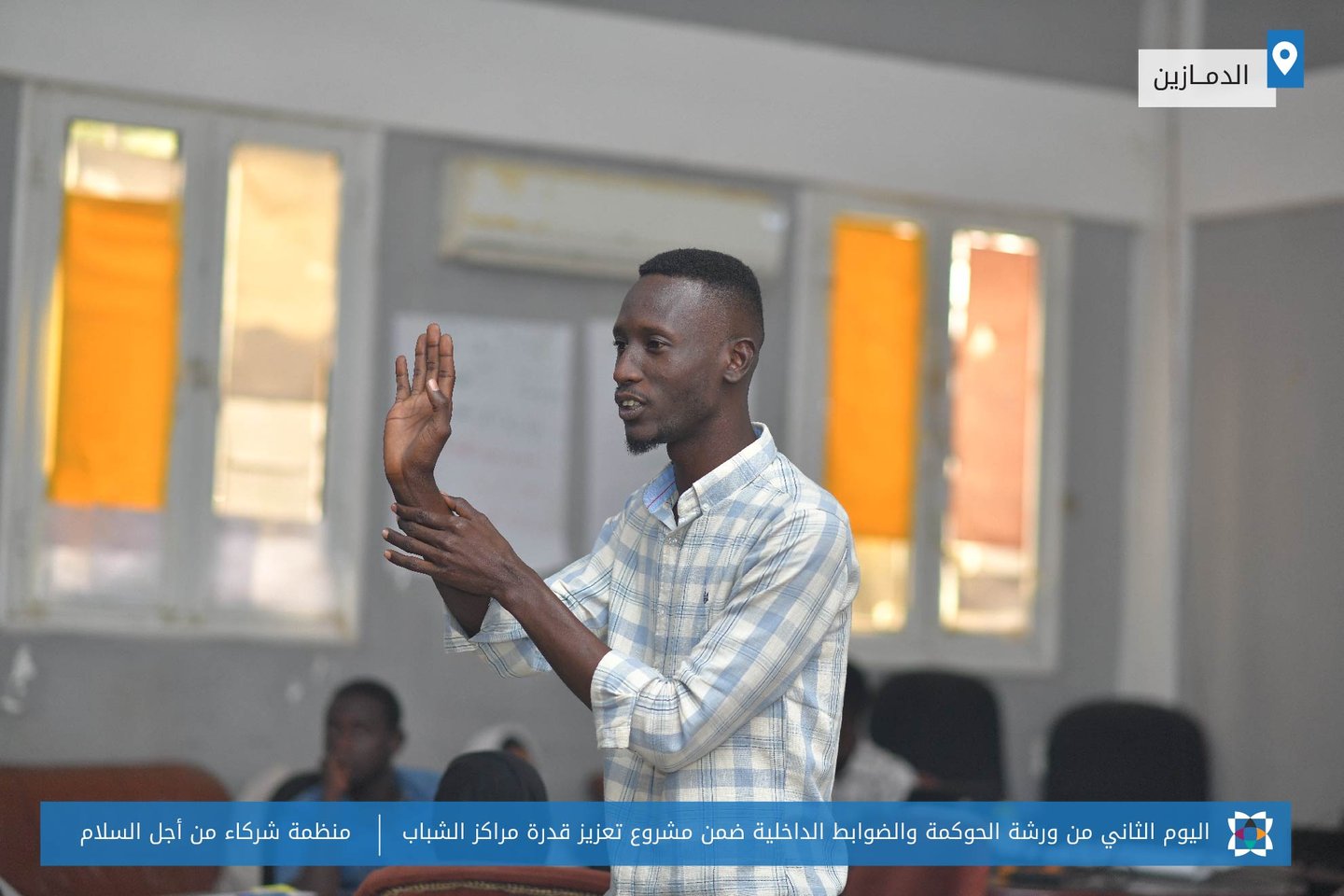
Day Three:
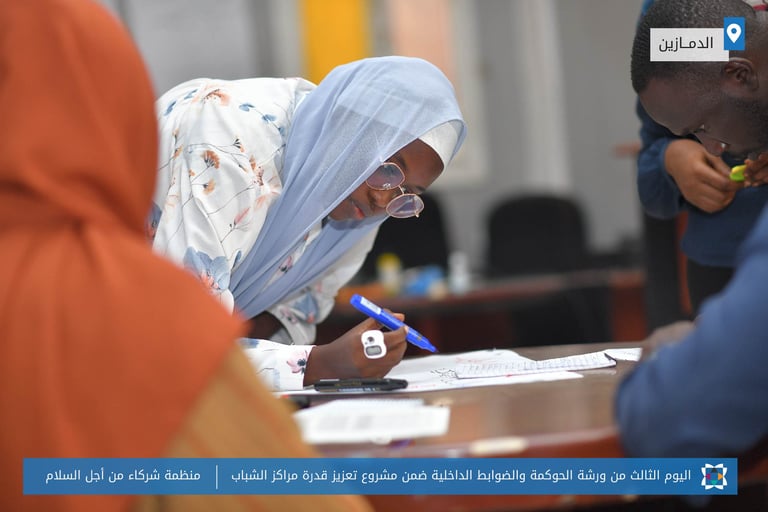
To strengthen the capacity of staff in implementing financial policies and procedures according to approved standards, improving transparency and accountability in managing funds and procurements, and enhancing internal controls to minimize financial errors.
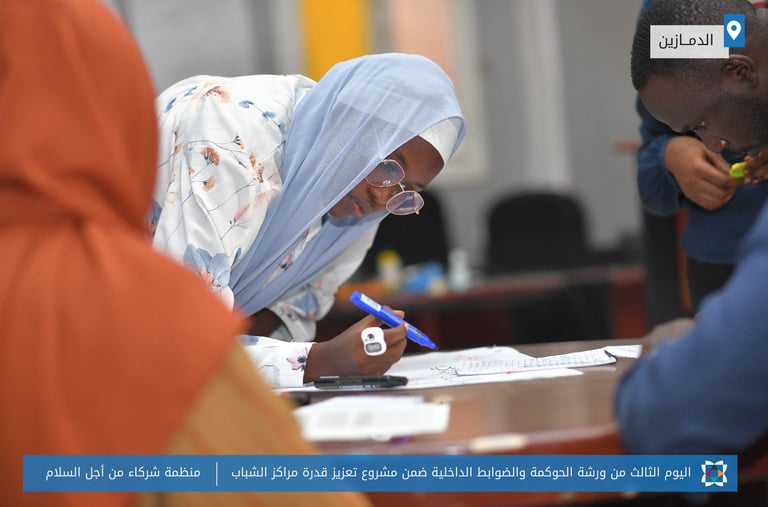
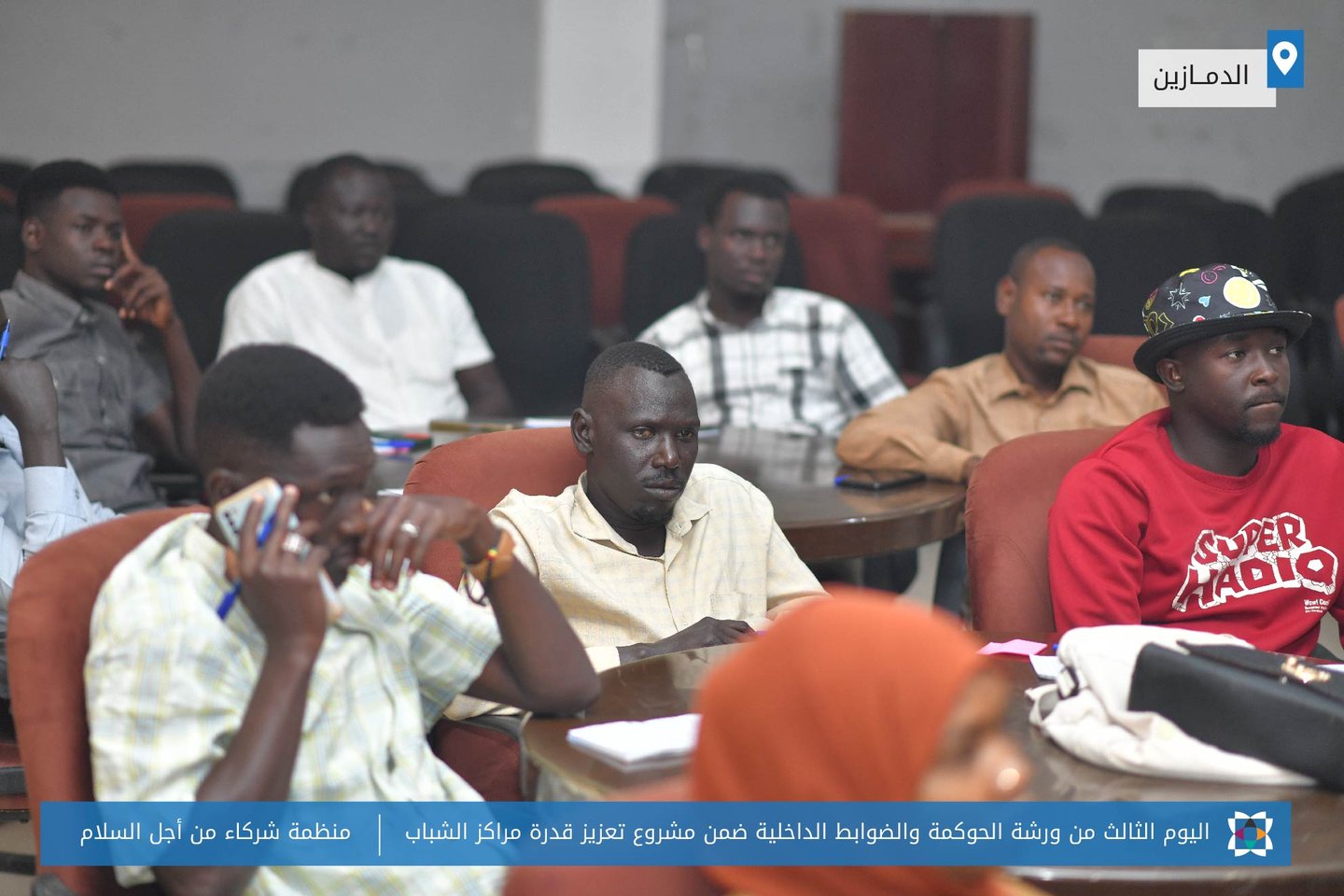
Day Four:
To equip participants with the skills to develop practical operational plans that align with strategic priorities, improve coordination across administrative levels, and foster a culture of monitoring and evaluation to measure progress toward strategic goals.
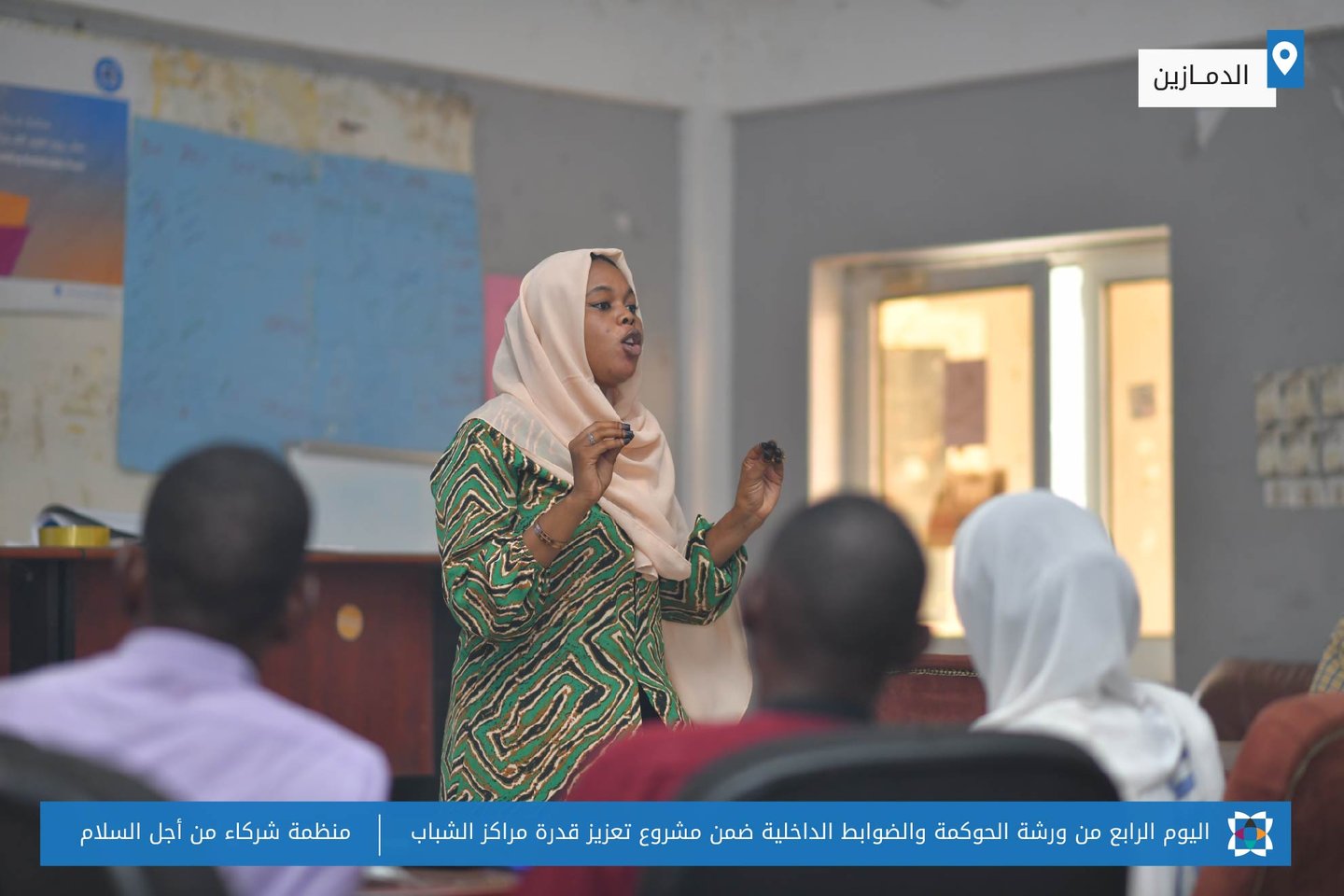
Outputs of the Activity
The workshop yielded significant outputs that reflected the achievement of its objectives. Each day produced specific results that contributed to the overall enhancement of participants’ knowledge and skills:
Day One Outputs: Participants demonstrated a markedly improved understanding of the relationship between strategic and operational planning in managing youth centers. Notably, 20 participants achieved a comprehension rate exceeding 90%, while 5 participants scored above 75%. Additionally, drafts of initial SWOT analyses were created for the participating centers, providing a foundational understanding of their operational contexts.
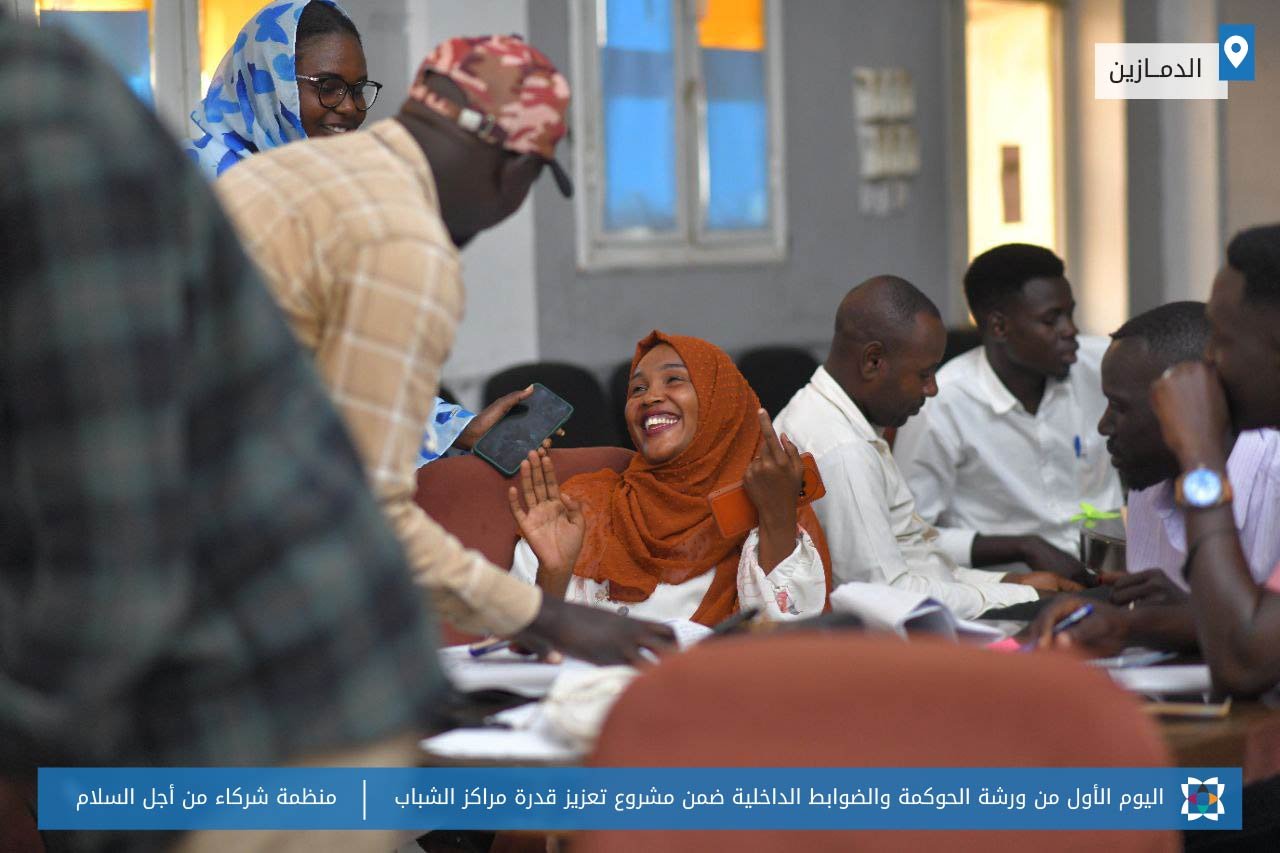
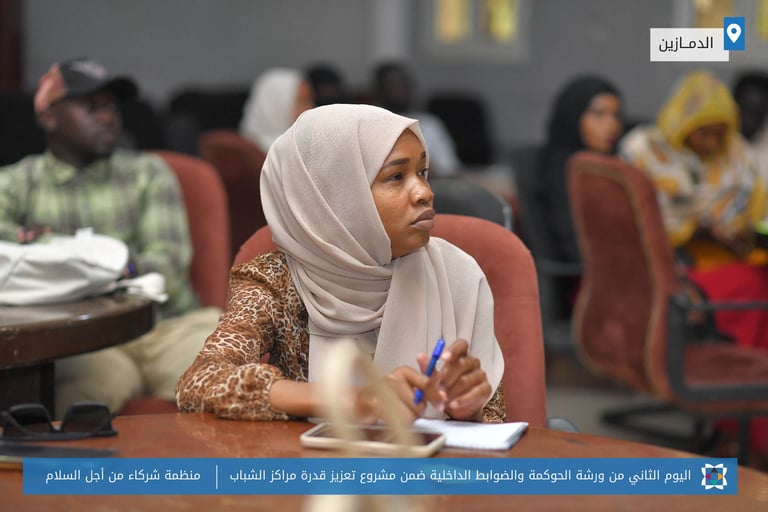
Day Two Outputs: By the end of the second day, participants exhibited a deeper understanding of governance and internal control principles. Fourteen individuals scored 90% comprehension, and eleven achieved 75%. Furthermore, the centers committed to integrating principles of transparency and accountability into their future plans, indicating a strong readiness to implement learned concepts.
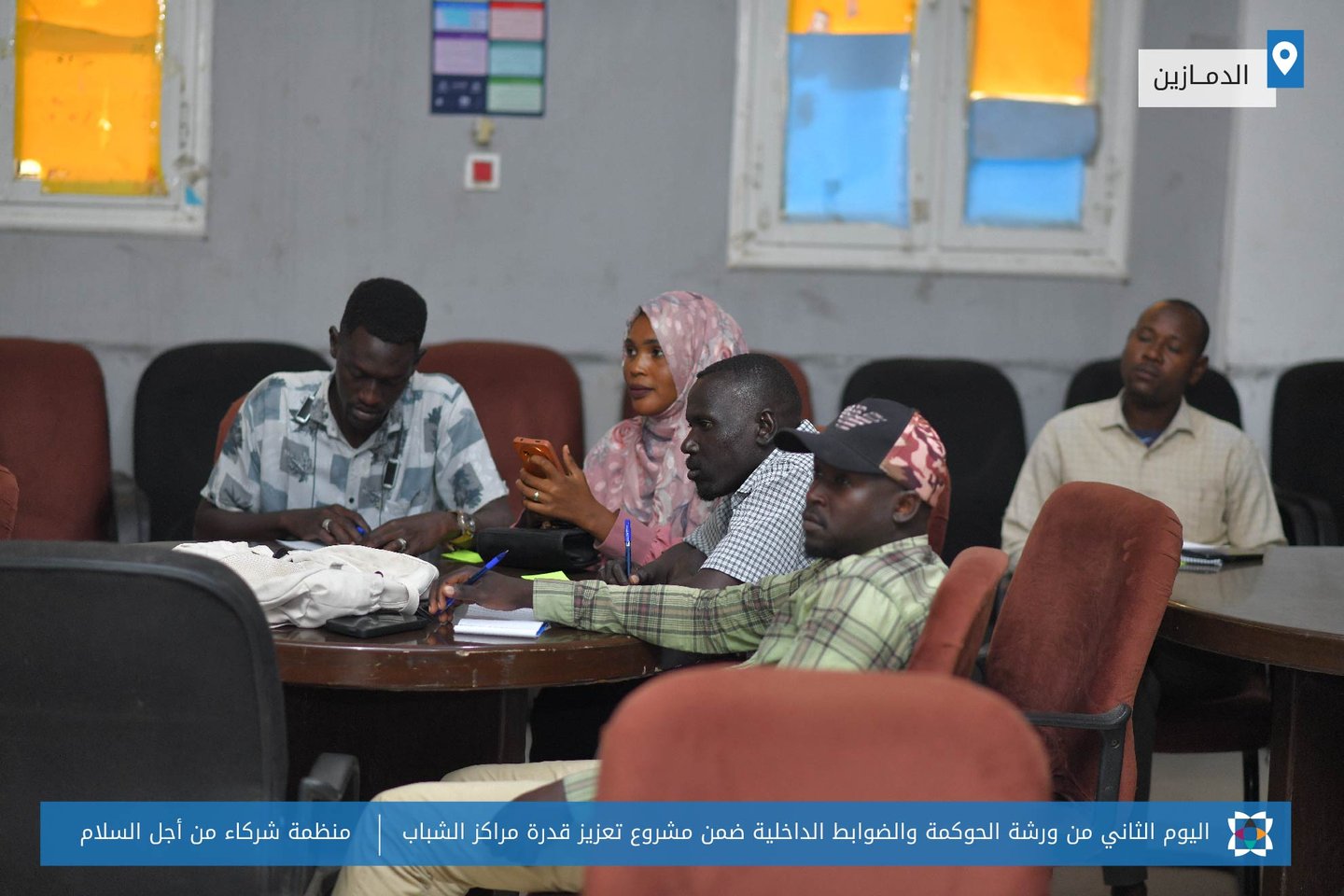
Day Three Outputs: On the third day, participants showed enhanced understanding of financial and accounting procedures within their centers. Specifically, 8 participants achieved 90% comprehension, 13 reached 75%, and 4 scored 50%. This day reinforced the importance of adhering to financial policies and reducing administrative and financial violations, laying the groundwork for better financial management practices.
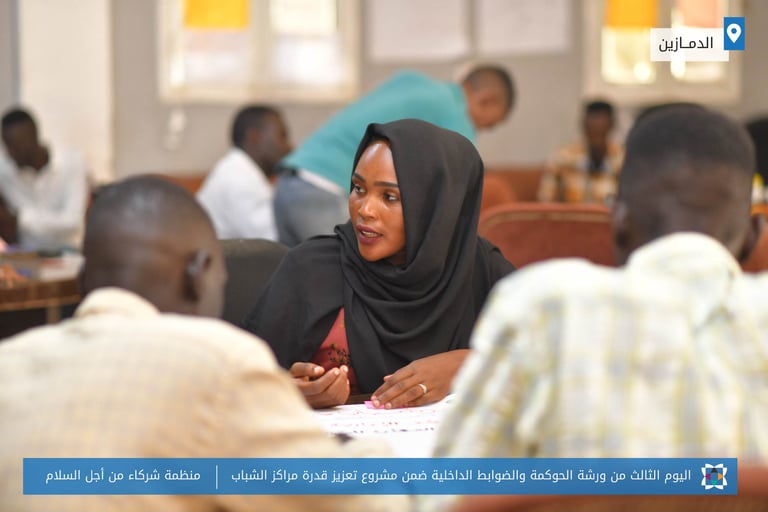
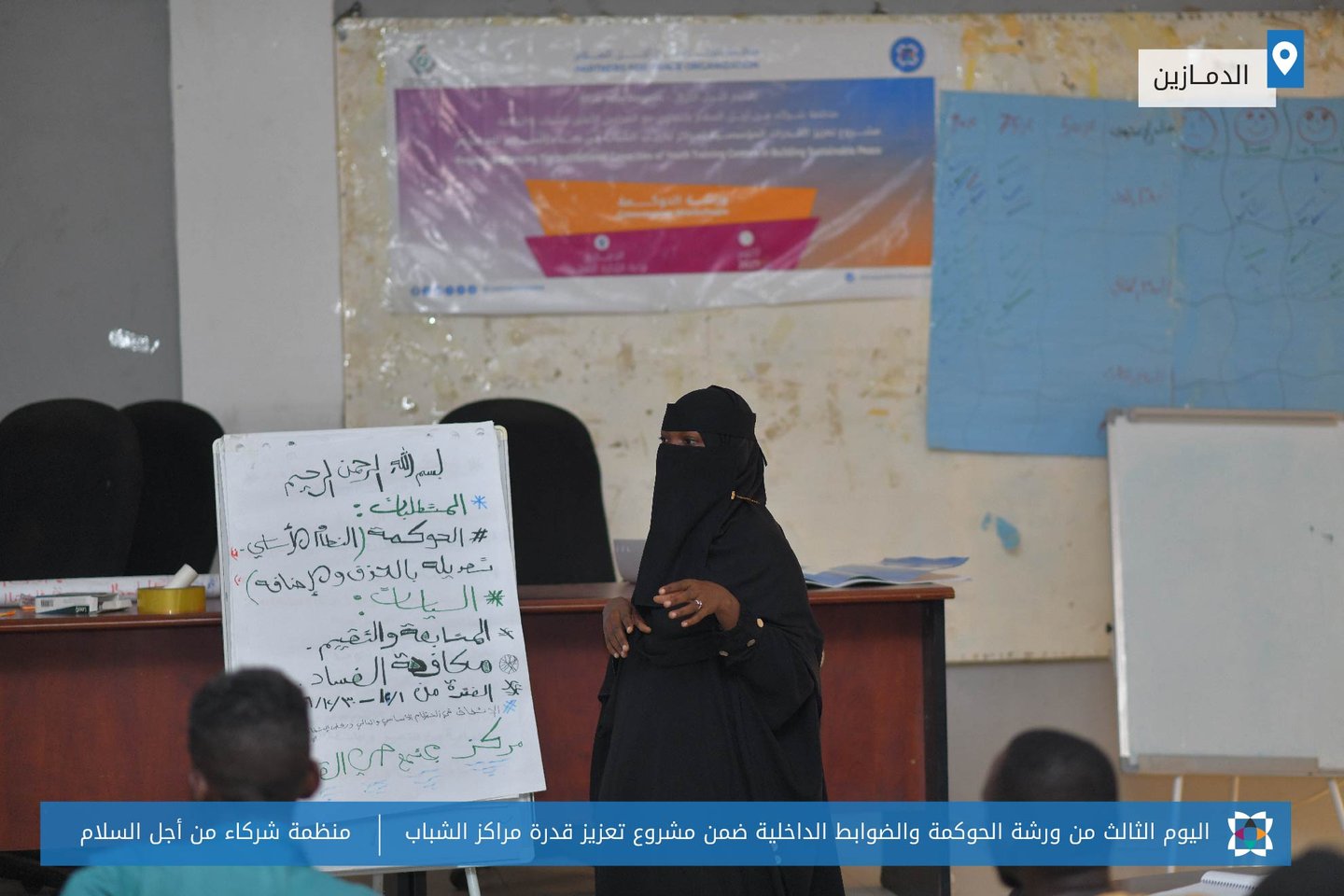
Day Four Outputs: The final day culminated in participants developing executable sample operational plans that reflected their strategic priorities. An impressive 22 participants achieved 90% comprehension, while 3 participants scored 75%. This demonstrated not only an improved understanding of operational planning concepts but also a practical application of these concepts, equipping participants with the tools necessary to implement effective operational strategies in their respective centers.
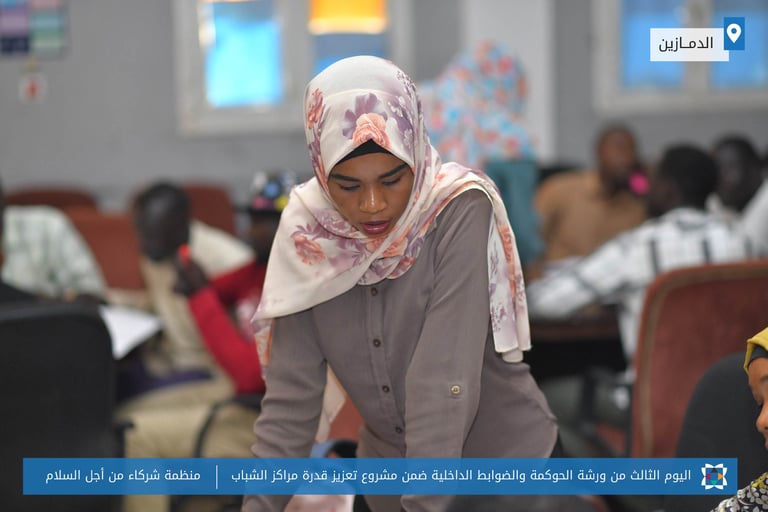
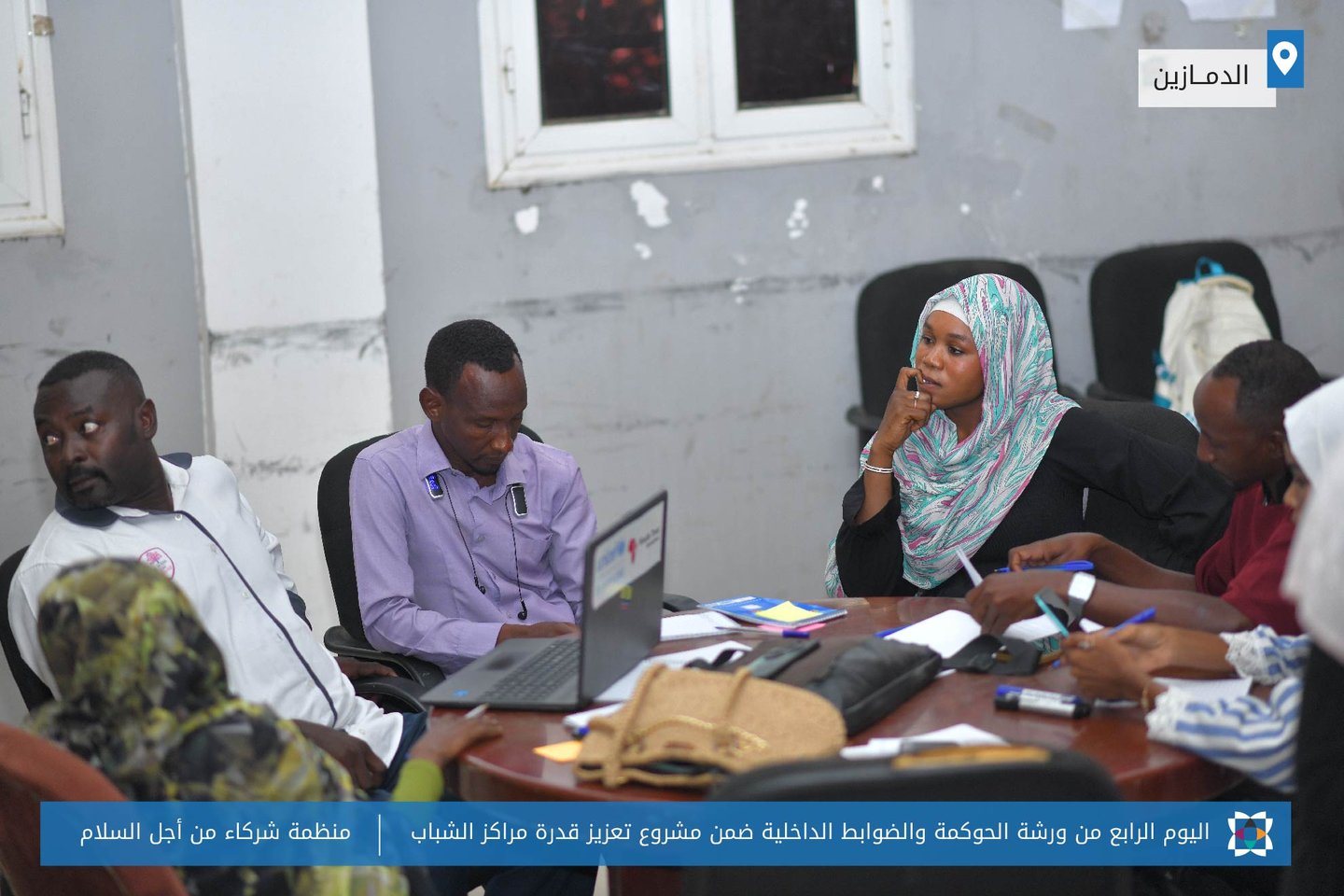
Overall, the workshop successfully met its objectives, resulting in a significant increase in knowledge and capacity among participants, ultimately contributing to the enhanced governance and sustainability of youth centers.
Atandast laist :
Activity Three: Youth Training Centers Priorities Forum
General Objective
The primary aim of the Youth Training Centers Priorities Forum was to identify the developmental and service priorities of youth training centers, ensuring that these priorities align with the actual needs of local communities and the strategic plans of supporting partners. This alignment is essential for fostering effective programs that truly benefit the youth and their communities.
Target Group
The forum was designed to engage a diverse group of stakeholders, targeting 30 participants in total. Out of this number, 27 individuals attended the forum, comprising 19 males and 8 females. The participants included youth center directors, representatives from various youth organizations, and officials from government authorities. This diverse representation was crucial for facilitating comprehensive discussions on the priorities and challenges faced by youth training centers.
Duration and Location
The forum was held over the course of one day, specifically on October 20, 2025. The chosen venue for this significant event was the Native Administration Hall in Al-Damazin, a location that provided an appropriate setting for collaboration and dialogue among stakeholders.
Forum Proceedings
The proceedings of the forum commenced with an introduction to its objectives, setting the stage for the discussions that would follow. An analytical presentation was delivered, outlining the current situation of youth training centers and the various challenges they encounter. This presentation served as a foundation for subsequent discussions.
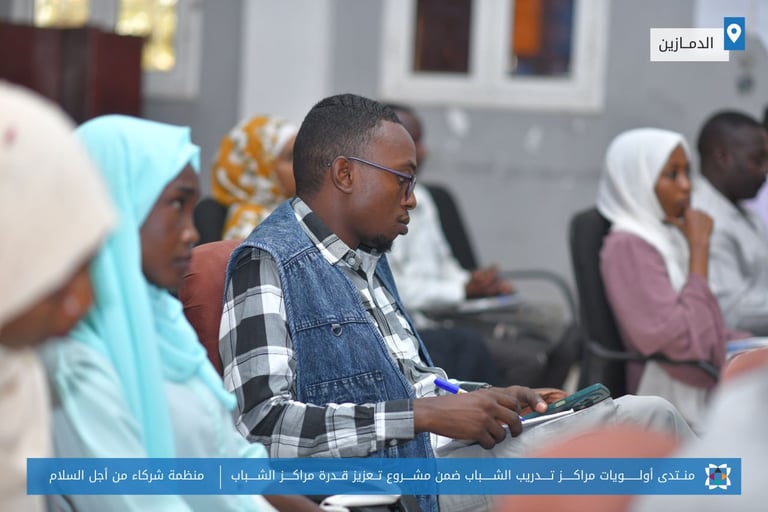
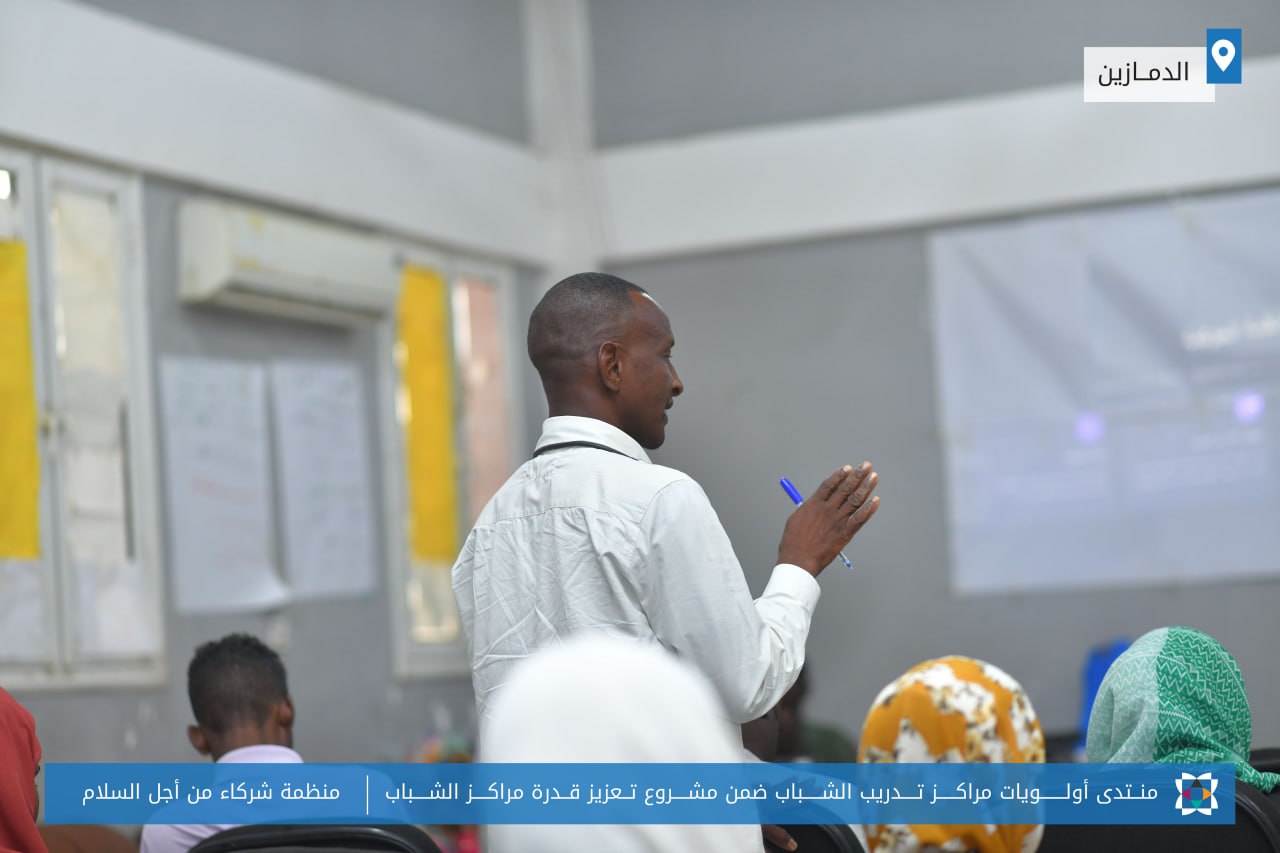
Participants engaged in focused discussions aimed at defining strategic priorities for youth centers. They explored the specific roles that oversight bodies, partner organizations, and the youth centers themselves must play in achieving these priorities. Additionally, participants took the time to review and discuss the recommendations stemming from a previous training workshop, ensuring continuity in their efforts.
Results Achieved
The forum successfully identified three main priorities for youth centers, which emerged as critical areas of focus:
● Governance and Internal Controls: This priority emphasizes the need to strengthen the administrative and institutional capacity of youth centers. Key actions include updating by-laws, restructuring organizational frameworks, and adopting a unified financial system to enhance operational efficiency.
● Sustainable Peacebuilding: Recognizing the importance of peace in community development, this priority focuses on initiatives that promote long-term peace and stability within the regions served by youth centers.
● Youth Engagement and Empowerment: This priority highlights the necessity of actively involving youth in decision-making processes and empowering them through various programs and initiatives that build their skills and confidence.
In addition to these main priorities, several significant outcomes were achieved during the forum:
● A role and responsibility matrix for strategic partners of youth centers was developed and subsequently shared with relevant stakeholders. This matrix clarifies the expectations and contributions of each partner, facilitating better coordination and collaboration.
● Participants reached a consensus to form a Follow-up Committee tasked with overseeing the implementation of the outcomes from the forum. This committee will play a crucial role in ensuring that the identified priorities are addressed effectively.
Forum Recommendations: Based on the discussions and results of the forum, several key recommendations were proposed:
● Develop a Detailed Implementation Plan: A comprehensive plan should be created based on the identified priorities to guide the actions of youth centers and their partners.
● Coordinate with Government Institutions and Donors: It is essential to engage with government bodies and potential donors to mobilize resources that will support the implementation of the identified priorities.
● Organize a Follow-up Forum: A follow-up forum should be scheduled in six months to assess the progress made on the priorities and recommendations discussed during this forum. This will help maintain momentum and ensure accountability among stakeholders.
Overall, the Youth Training Centers Priorities Forum successfully facilitated meaningful dialogue among key stakeholders, resulting in a clear set of priorities and actionable recommendations that aim to enhance the effectiveness and sustainability of youth training centers in the region.
1.1 ACTIVITY RESULTS:
Have you made any progress towards the objective(s) you expected in your activity plan? Please explain
Activity Results
Activity One: Preliminary Assessment of Youth Centers
The first activity involved conducting a thorough preliminary assessment of youth centers, resulting in a detailed report that meticulously analyzed the current status of these institutions. This assessment provided valuable insights into the strengths and weaknesses of the centers, highlighting areas that require improvement and support. By evaluating various aspects, including infrastructure, program offerings, and community engagement, the report serves as a foundational tool for future planning and development efforts.
Activity Two: Governance and Strategic Planning Workshop
The second activity was a Governance and Strategic Planning Workshop that significantly enhanced participants’ understanding of the intricate relationship between strategic and operational planning within the context of youth center management. Participants engaged in collaborative discussions, leading to the creation of initial drafts of situational analyses for their respective centers, utilizing various analytical tools to assess their environments effectively. A notable outcome was the collective commitment of the centers to embed principles of transparency and accountability into their forthcoming plans, ensuring that governance practices are upheld. Furthermore, the workshop emphasized the importance of adhering to financial policies, resulting in a marked reduction in errors and violations among participants. Through hands-on exercises, attendees were able to apply practical models for creating executable operational plans, equipping them with the necessary skills to implement effective strategies.
Activity Three: Youth Training Centers Priorities Forum
The final activity, the Youth Training Centers Priorities Forum, culminated in the identification of three primary priorities essential for the growth and sustainability of the centers. These include enhancing governance and internal controls to strengthen administrative and institutional capacities through the updating of by-laws, restructuring, and the adoption of a unified financial system. Additionally, the forum emphasized the importance of sustainable peacebuilding and fostering youth engagement and empowerment. A significant outcome was the development of a role and responsibility plan for strategic partners, which was shared with relevant stakeholders to facilitate collaboration. Participants also reached a consensus to establish a follow-up committee tasked with overseeing the implementation of the forum’s outcomes, ensuring that the identified priorities are addressed effectively in the future.
Participant Feedback
Most participant feedback was highly positive, including the following:
Activity Two: Governance and Strategic Planning Workshop
● Fatima Hafez from the Al-Saryou Youth Center expressed her appreciation for the workshop, highlighting its practical benefits in understanding the implementation of internal controls within her center. She noted that the knowledge gained from the sessions has equipped her with the necessary tools to enhance the operational integrity of the center. This newfound understanding is crucial for establishing a robust framework that ensures accountability and efficiency in managing resources.
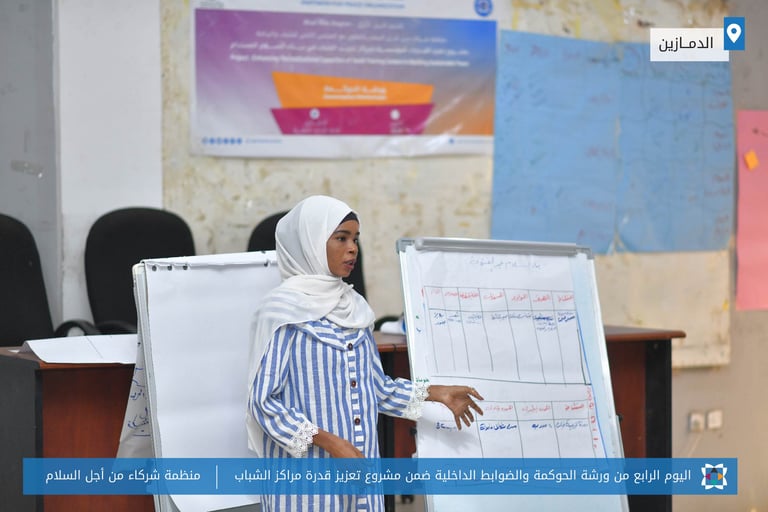
● Ahmed Adam also reflected positively on the workshop, stating that he now possesses a clear comprehension of how to develop transparent financial policies and procedures. This clarity is essential for fostering trust among stakeholders and ensuring that financial operations are conducted with integrity. Ahmed's insights underline the importance of transparency in financial management, which is vital for the sustainability of youth centers.
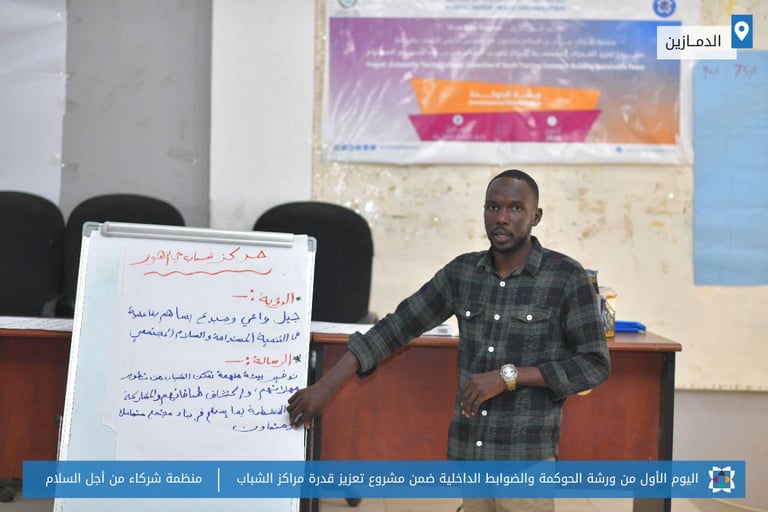
● Mohannad Idris from the Arkwit Youth Center shared his previous struggles with governance concepts, noting that the workshop significantly improved his practical knowledge in this area. He now feels empowered to actively contribute to enhancing management practices within his center, showcasing the workshop's effectiveness in building capacity among participants.
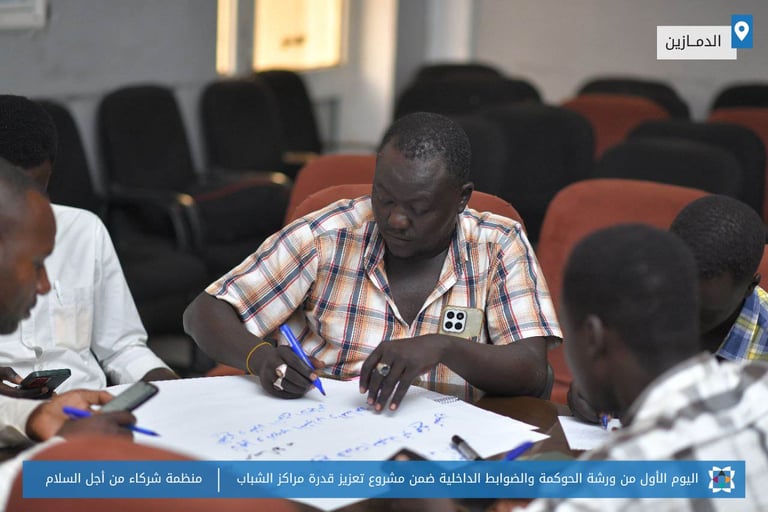
● Omar Abdelaziz representing the Al-Roseiris Youth Training Center, remarked on his ability to define performance indicators and connect them to specific objectives. This skill is crucial for measuring success and ensuring that the center's activities align with its strategic goals.
● Moram Ahmed highlighted the value of the practical sessions, stating that they were instrumental in applying the theoretical knowledge gained to real-world scenarios within her center. This hands-on approach facilitated a deeper understanding of the concepts discussed, reinforcing their relevance to daily operations.
CHALLENGES/OPPORTUNITIES
Did anything unexpected happen (positive or negative) (For example a new opportunity or an unexpected challenge)? Please explain.
Challenges Encountered During Activity Implementation:
One of the significant obstacles encountered during the implementation phase was the delay in securing necessary security clearances and approvals. This setback necessitated adjustments to the original implementation plan, resulting in a compressed schedule. To accommodate the lost time, two training sessions were conducted each day during the first activity, which required careful coordination and management to ensure that all content was delivered effectively within the shortened timeframe.
Another challenge arose from the diverse levels of comprehension and experience among participants. This variability made it difficult to prepare training materials that would be equally effective for everyone involved. To address this issue, flexible training materials were developed, allowing facilitators to tailor their approach based on the participants' varying backgrounds and knowledge levels. This adaptability was crucial in ensuring that all attendees could engage meaningfully with the content.
Additionally, the lack of dedicated transportation for staff presented logistical difficulties, particularly in reaching work locations during the initial activity. Due to the prohibitive costs associated with vehicle rentals in the area, staff members had to rely on public transportation. This was especially challenging when traveling to remote locations, such as the northern rural Saryou area. Nevertheless, staff persevered, undertaking a three-hour round trip via the main highway to successfully conduct the scheduled session, demonstrating their commitment to the training initiative.
Did you have to make any changes to the activities or objectives? Please explain
● The number of beneficiary centers was changed from 4 to 6, reducing the number of participants from 5 to 4 per center due to the large number of centers in the region.
● The forum content was reduced because of limited time and lengthy discussions, which led to the design of an additional follow-up activity.


We are the Partners for Peace Organization, working to deliver innovative, data-driven solutions aimed at creating sustainable change and transforming the lives of individuals and communities. We focus on promoting peace and development through effective strategies that contribute to making a positive impact on a large scale